Driving is a fundamental part of modern life, offering freedom and flexibility in how we travel. However, not all driving experiences are the same. Various styles and techniques cater to different environments, road conditions, and personal preferences. Understanding these driving styles can greatly enhance both safety and enjoyment on the road. This article delves into several driving techniques, exploring their unique characteristics and offering valuable insights for drivers at all levels.
City Driving: The Art of Urban Navigation
City driving often poses unique challenges due to the high density of traffic, frequent stops, and numerous pedestrians. Urban areas require drivers to be highly aware and adaptable. Traffic signals, stop signs, and crosswalks demand constant vigilance, making quick reflexes essential. Additionally, maneuvering through tight spaces, such as parallel parking in crowded streets, can test a driver’s skill and patience.
To navigate city driving successfully, it is crucial to develop an understanding of traffic patterns. Observing when congestion typically occurs can help in planning routes more efficiently. Utilizing navigation apps that provide real-time traffic updates can further assist in avoiding delays. Moreover, learning to anticipate the actions of pedestrians and other drivers enhances safety. A defensive driving mindset is vital in urban settings, where unexpected events can happen at any moment.
Highway Driving: Mastering the Open Road
Highway driving is often characterized by higher speeds and a more streamlined traffic flow. Unlike city driving, highways have fewer interruptions, allowing for a different driving rhythm. Maintaining a consistent speed is crucial for safety and fuel efficiency. Drivers should be mindful of their surroundings, particularly when merging or changing lanes. Understanding how to gauge the speed of oncoming traffic is essential to ensure smooth transitions onto the highway.
Long-distance travel on highways also brings about its own set of considerations. Drivers should plan for regular breaks to avoid fatigue, which is vital for maintaining focus and alertness. It is advisable to rotate drivers if traveling in a group, allowing for periods of rest. Familiarizing oneself with highway signage and understanding the layout of rest areas can enhance the overall driving experience. Additionally, practicing good vehicle maintenance, such as checking tire pressure and fluid levels before embarking on a long journey, contributes to safety on the road.
Off-Road Driving: The Adventurous Side
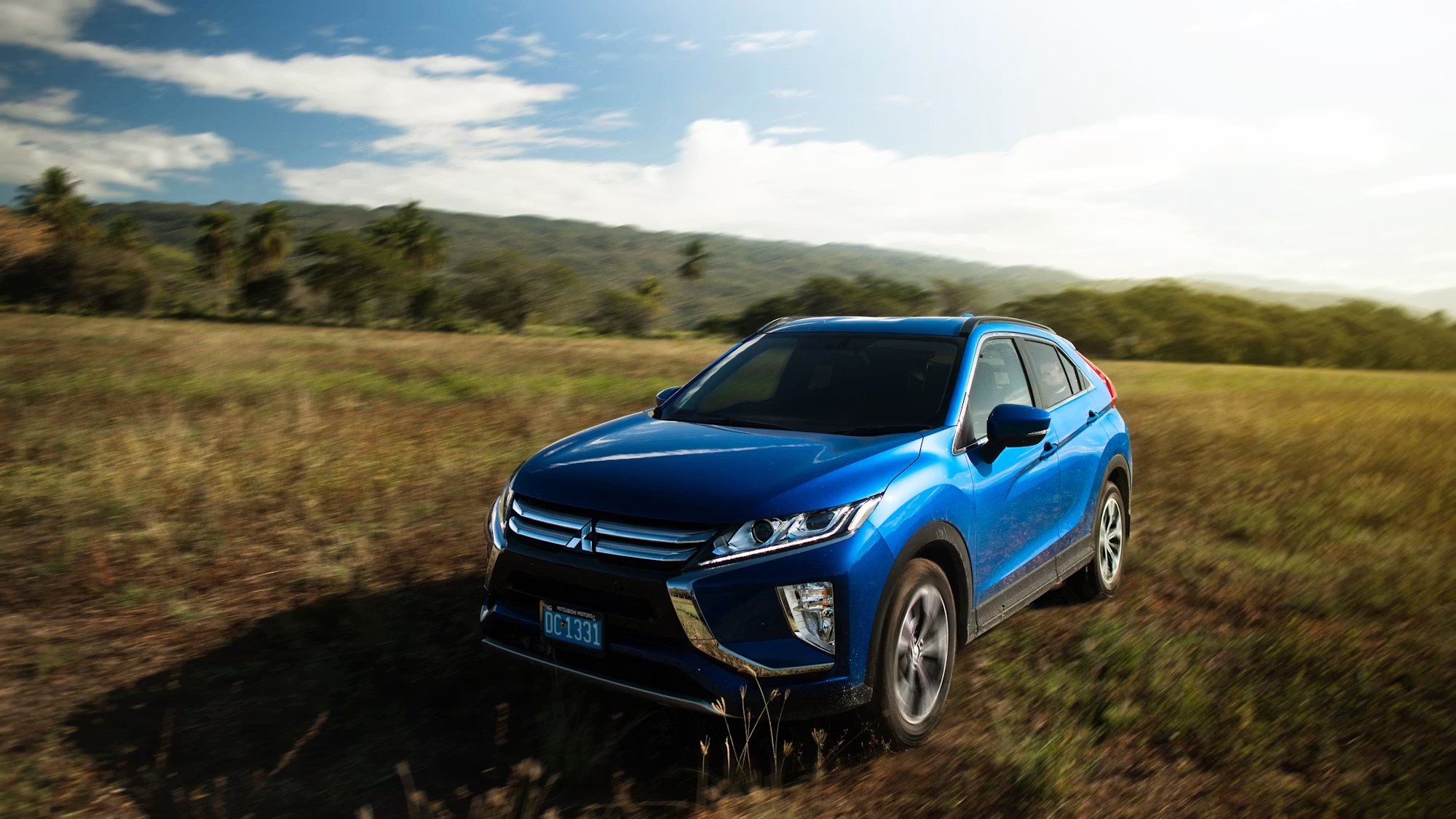
Off-road driving appeals to those who seek adventure and exploration. This style involves navigating through unpaved roads, rugged trails, and varying terrains. Drivers need specialized vehicles equipped for off-road conditions, such as four-wheel drive or all-terrain vehicles. The excitement of tackling obstacles like rocks, streams, and steep inclines adds an exhilarating element to the driving experience.
However, off-road driving requires a different skill set compared to conventional driving. Understanding the vehicle’s capabilities, such as ground clearance and traction control, is essential. Drivers should also familiarize themselves with basic off-road techniques, including how to approach obstacles and how to recover from being stuck. Safety gear, including a first aid kit and recovery tools, is crucial for off-road adventures. Always being aware of the environment and practicing responsible driving, such as staying on designated trails, ensures the sustainability of off-road areas.
Defensive Driving: Prioritizing Safety
Defensive driving is a crucial skill that focuses on safety and accident prevention. It involves being aware of one’s surroundings, anticipating potential hazards, and reacting appropriately to the actions of other drivers. Defensive drivers maintain a safe following distance, allowing for adequate reaction time to sudden changes in traffic. This approach is particularly important in urban areas, where unexpected stops and pedestrian crossings are common.
Training in defensive driving techniques can provide valuable skills, such as effective braking, steering, and maneuvering in emergency situations. Many organizations offer courses that teach these techniques, which can significantly reduce the risk of accidents. By fostering a defensive mindset, drivers not only protect themselves but also contribute to a safer driving environment for everyone on the road.
Performance Driving: The Thrill of Speed
Performance driving is often associated with motorsports, emphasizing high speeds and precise handling. This style is not just about driving fast; it requires a deep understanding of vehicle dynamics, including how acceleration, braking, and cornering interact. Performance drivers often participate in track days or driving schools to refine their skills in controlled environments.
Engaging in performance driving can enhance a driver’s ability to handle their vehicle more effectively, even in everyday situations. Learning advanced techniques, such as heel-toe downshifting or threshold braking, can improve overall driving proficiency. While the thrill of speed is enticing, safety remains paramount, and responsible driving should always be a priority.
Eco-Friendly Driving: A Sustainable Approach
In today’s world, eco-friendly driving practices have become increasingly important. This style focuses on reducing fuel consumption and minimizing environmental impact. Techniques such as smooth acceleration, gradual braking, and maintaining a steady speed contribute to better fuel efficiency. Understanding vehicle features that promote eco-friendliness, such as hybrid technology or electric vehicle capabilities, can further enhance sustainable driving.
Being mindful of driving habits can significantly affect one’s carbon footprint. Regular vehicle maintenance, including timely oil changes and proper tire inflation, can enhance fuel efficiency. Additionally, planning routes to avoid heavy traffic or choosing to combine errands can reduce unnecessary driving, further supporting eco-friendly practices.
Adaptive Driving: Tailoring Your Approach
Adaptive driving emphasizes flexibility, allowing drivers to adjust their techniques based on road conditions, weather, and passenger needs. This approach is particularly valuable in adverse weather conditions, such as rain or snow, where driving dynamics change dramatically. Drivers should adjust their speed and following distances accordingly, taking extra precautions to maintain control.
Moreover, adaptive driving also involves accommodating passengers with specific needs. Understanding how to create a comfortable environment for everyone in the vehicle, including those with mobility challenges, enhances the overall experience. This flexibility not only improves safety but also fosters a sense of confidence and control for the driver.
Commercial Driving: Professionalism on the Road
Commercial driving encompasses a variety of roles, from truck drivers to rideshare operators. This style requires a strong understanding of regulations, safety protocols, and vehicle operation. Professional drivers must be diligent in maintaining their vehicles and adhering to schedules while ensuring passenger safety.
Effective communication skills are essential for commercial drivers, particularly in rideshare or delivery services. Building rapport with passengers or clients fosters trust and enhances the overall experience. Continuous training and certification can also keep drivers updated on best practices and regulatory changes in the industry.
Recreational Driving: Enjoying the Journey
Recreational driving is all about leisure and exploration, allowing individuals to enjoy scenic routes and discover new destinations. Planning a road trip or taking a leisurely drive can provide a refreshing break from daily routines. Engaging with fellow travelers and sharing experiences along the way adds to the enjoyment.
To make the most of recreational driving, planning routes that include interesting landmarks, parks, or scenic viewpoints can enhance the journey. Taking time to appreciate the surroundings and allowing for spontaneous stops can lead to memorable adventures. Whether it’s a weekend getaway or a longer road trip, embracing the joy of driving for leisure creates lasting memories.
Conclusion: The Road Ahead
Understanding the various styles of driving is essential for anyone looking to enhance their skills and safety on the road. From the complexities of city driving to the excitement of performance driving, each method offers unique challenges and rewards. By mastering these techniques, drivers can cultivate a comprehensive understanding of their craft, leading to safer and more enjoyable journeys. Embracing the nuances of driving allows individuals to navigate the roads with confidence and skill, ready to take on any adventure that lies ahead.